Proper home maintenance in America isn’t one-size-fits-all. With an area of 3.8 million square miles, the U.S. has a vast range of climates that all take varying tolls on a house. In Duluth, Minnesota, where the average minimum monthly temperature is 1.5 F, your home’s enemy is the extreme cold. Miamians, on the other hand, need to worry about hurricanes and 62 inches of rain annually.
Poor maintenance becomes evident when the time comes to sell the house, and the home inspector writes you up for a decaying deck or water damage in the basement. Not to mention that without the right upkeep your house will lose value over time.
So rather than download a generic task list, consult this seasonal home maintenance checklist tailored to regional weather patterns. The sooner you start protecting your abode against the area’s most threatening elements, the better.
Midwest and Northeast
Fun fact: Some cities like Miami, Atlanta, New York receive more inches of rain annually than Portland and Seattle; they just experience it in larger bursts over fewer days. So, if you live in any area with lots of precipitation (regardless of geography), you should also follow the tips above.
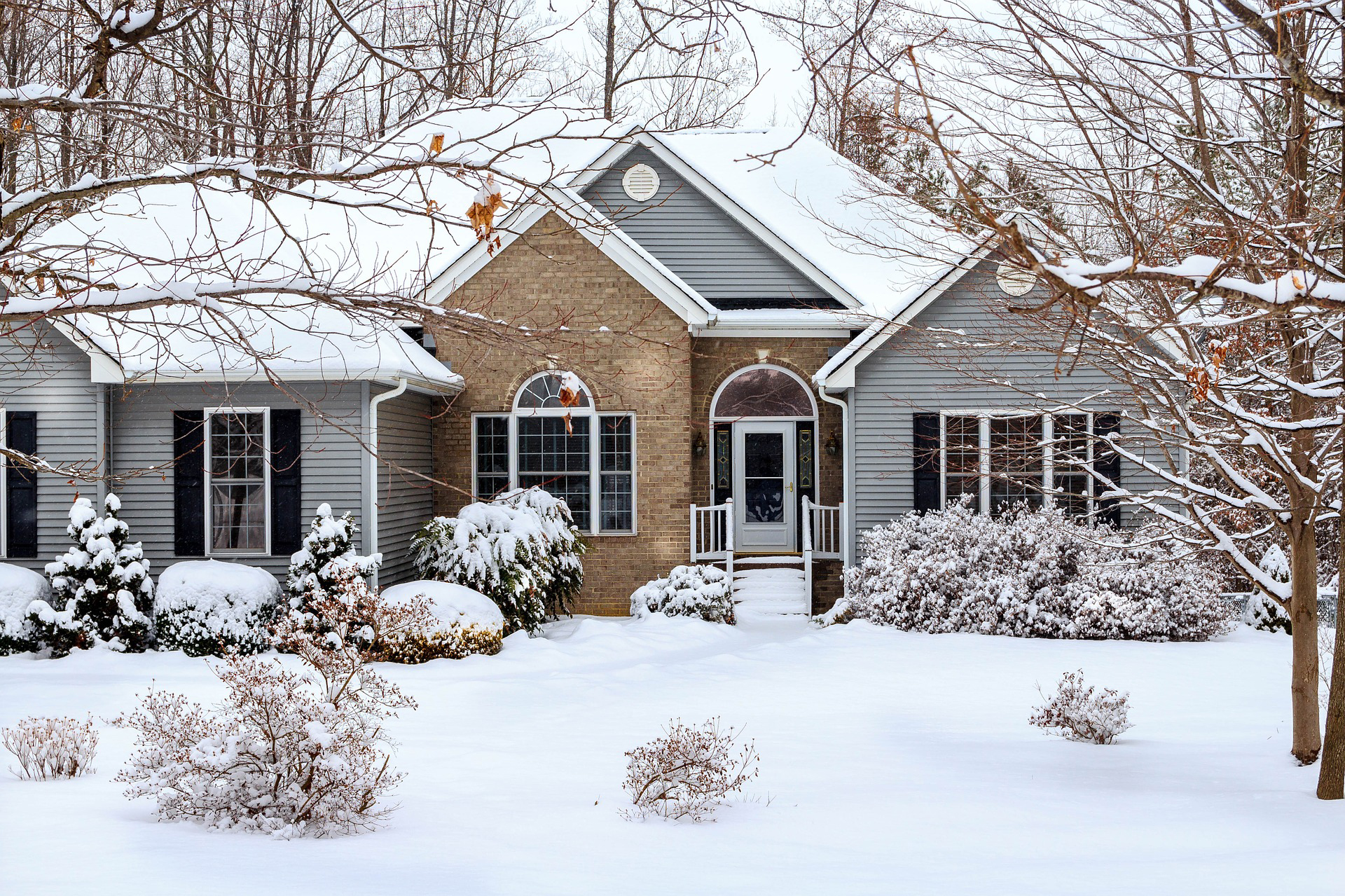
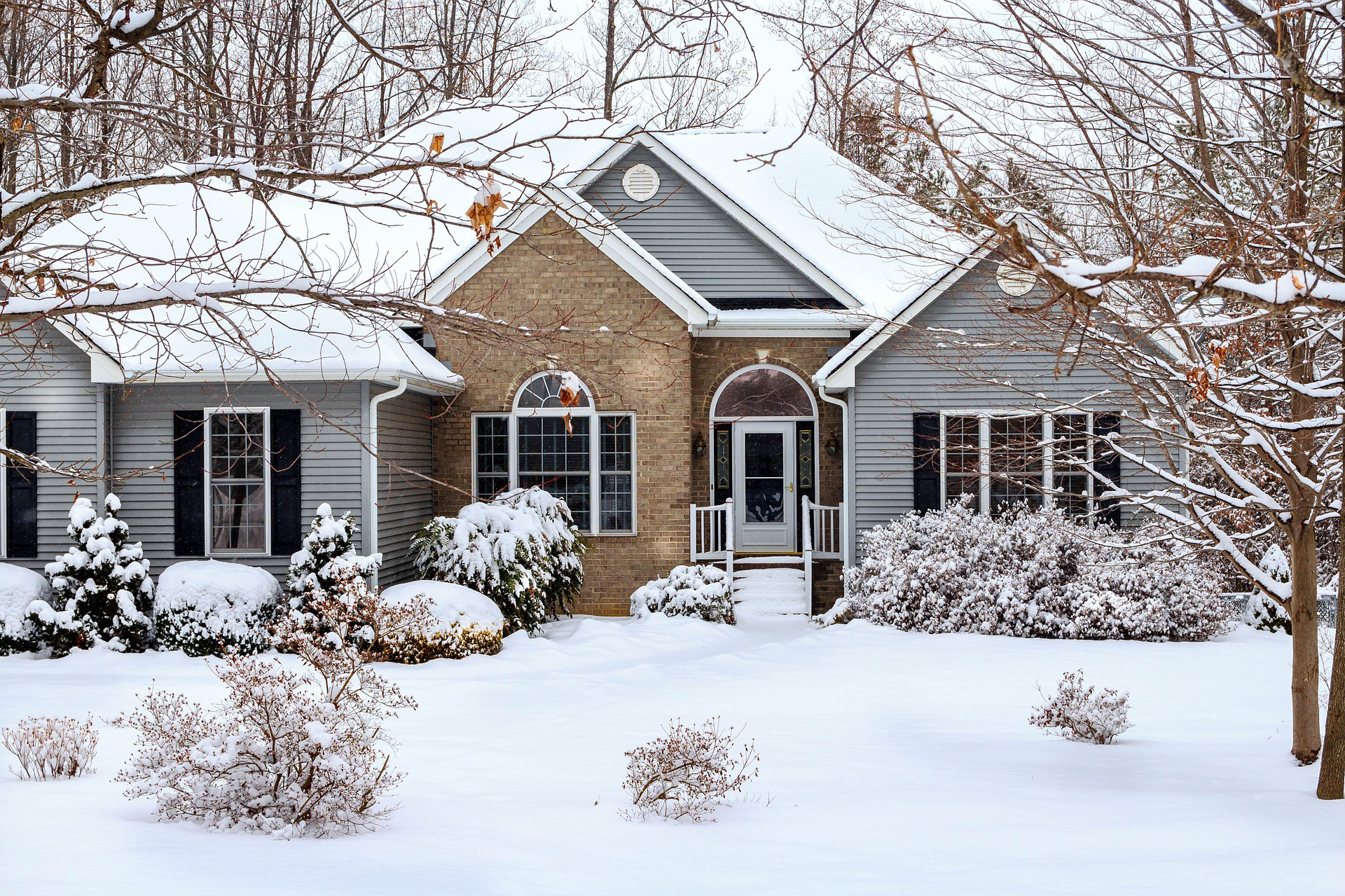
But first, snow, ice, and extremely cold temperatures: Let’s talk about how to protect your house in a winter wonderland.
Basic checklist:
- Insulate your rim joist.
- Prevent ice dams with proper attic insulation.
- Tackle minor indoor repairs.
- Check your sump pump.
- Make sure gutters are clean and landscaping grades away from your foundation.
Insulate your rim joist.
According to the U.S. Department of Energy, insulating your rim joist, which is where your foundation meets the basement, will make your home more energy efficient. “Without insulation, there’s only plywood and siding between inside and out,” explains Clement.
But in bitter, cold temperatures, it’s not enough to have just a thermal barrier, often provided by fiberglass batts. You’ll also want to air seal the area and create a vapor barrier.
According to the Pennsylvania Home Research Center at Penn State’s College of Engineering, this can prevent condensation and mold growth by not allowing the warm inside temperatures to meet the cold outside temps. Adding foam board and spray foam underneath the fiberglass is the one course of action. Here’s how you do it:
- Select a water-resistant foam board, categorized as EPS foam board.
- Cut the foam board into square inserts that fit the rim joist sections and leave a small gap around the edges.
- Use spray foam around the edges to fill in the holes. Reinsert the fiberglass.
Prevent ice dams with proper attic insulation.
Icicles and ice dams are both signs of leaking air in your attic. Warm air escapes and melts the snow on your roof. That water then refreezes as it makes its way to your eaves and gutters. As more snow melts and freezes, it creates a dam where water can build and get under your shingles, resulting in interior water damage.
As explained by This Old House, a home improvement brand that’s been around since the 70s, the only permanent fix is to make sure your attic is properly sealed and ventilated. The most effective method is to hire a professional to add spray foam insulation to the rafters, but if you prefer a more DIY-style insulation job, there’s another option.
First, air seal any smaller holes in your attic floor with cans of spray foam. Then, add a full layer of insulation in the form of loose fill or batts. You’ll need to choose the right insulation material and follow the proper steps for the insulation process.
Tackle minor indoor repairs.
Take advantage of the extra time spent indoors in the winter. Look around and identify what needs minor repairs—such as touch-up paint and caulking. Now’s a good time to get your handyman over at the house to tighten fixtures, fix loose doors, and patch up any damaged drywall.
You can also use this time to clean mineral deposits and hard water buildup off faucets and shower heads and deep clean your toilets, showers, and sinks so they sparkle.
Check your sump pump.
Your sump pump’s job is to collect groundwater from storms so it doesn’t affect the foundation of your home. If it’s clogged or broken, it can’t function and this could lead to flooding—not something prospective buyers are looking for.
Test your pump by pouring in a gallon or two of water. Reddi Root’r, a plumber in the Witchita area with over 50 years of experience, explains that the float should rise and activate the pump.
If it doesn’t or if it turns on but doesn’t pump the water, you might have a dead battery, broken switch, or frozen or blocked lines. Try cleaning your sump pump before calling in a plumber (always make sure power to the pump is off before doing this).
Then, consult your Realtor about selling your house with a sump pump and how to make this fixture something buyers will appreciate.
Make sure gutters are clean and landscaping grades away from your foundation.
According to home warranty company American Home Shield, clogged gutters can also contribute to ice dams. So in addition to sealing your attic, make sure your gutters are clean. This allows melting snow to properly drain away from your roof, and it reduces the chances of frozen debris weighing your gutters down altogether.
When it comes to landscaping, builders have to make sure it slopes away from the home. However, your foundation settles over time and it may level out. In some cases you can correct the slope with basic garden supplies.
Focus on seasonal home maintenance where it counts
You home experiences a lot from summer nights and snowy days, and mother nature takes its toll. If you live in the desert, you may not be as concerned about how the rain can damage your foundation as someone in the suburbs of Washington.
The bottom line is to consider your region’s climate as you’re crafting your home maintenance task list, and you may find that buyers take notice where it counts most. “It’s nice to stay on top of [home maintenance],” says Duckett. “It’s nice when we walk into situations where all we have to do is clean and get it ready for the market.”
We couldn’t possibly cover every home maintenance task in one list, though, so to further tailor this checklist to your individual home and climate, chat with a local real estate agent about how to give your house the TLC it needs for a smooth sale